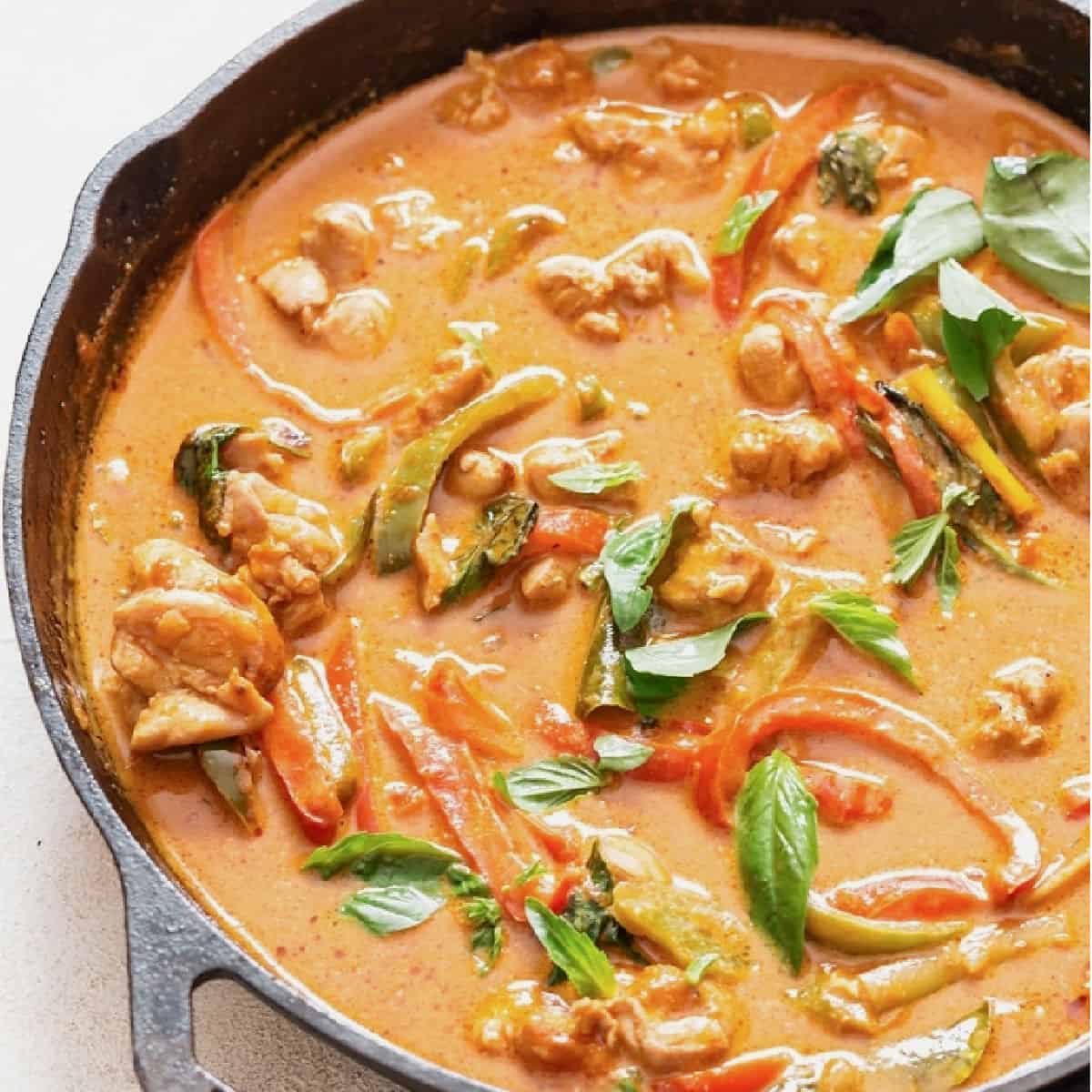
Panang Curry Unveiled: Its Unique Flavor & Thai Origins
Few dishes captivate the palate quite like Panang curry. This beloved Thai culinary creation is a testament to the country's rich gastronomic heritage, offering a harmonious blend of sweet, salty, and subtly spicy notes that distinguish it from its curry cousins. While various proteins can star in this dish, a well-prepared panang curry with chicken remains an enduring favorite, showcasing the versatility and depth of this exquisite sauce. Join us as we explore the distinctive characteristics, fascinating origins, and culinary secrets behind Panang curry, uncovering what makes it a cherished staple in Thai cuisine and around the world.
The Allure of Panang Curry: A Symphony of Flavors
What sets Panang curry apart is its nuanced and sophisticated flavor profile. Unlike the fiery intensity often associated with Red or Green curries, Panang offers a milder, more aromatic experience. It's renowned for its rich, creamy texture, derived from a generous amount of full-fat coconut milk, which acts as a luxurious base for the complex spice blend. You'll often detect a delicate balance of sweetness, savory depth, and a whisper of salt, rounded out by earthy undertones and a hint of citrus from kaffir lime leaves.
The magic lies in its ability to deliver a satisfying warmth without overwhelming the senses. This makes it an ideal introduction to Thai cuisine for those new to spicy foods, while still satisfying seasoned palates with its depth. The creamy richness, often enhanced by the tender succulence of chicken, creates a truly comforting and indulgent meal, often served alongside fragrant jasmine rice to soak up every drop of that irresistible sauce.
Tracing Its Roots: Panang's Thai Origins and Cultural Blend
The name "Panang" itself offers a fascinating glimpse into the dish's historical and geographical context. While exact historical records can be elusive, culinary historians generally agree that "Panang" refers to the island of Penang, located in Northern Malaysia, which shares a border with Southern Thailand. This geographical connection highlights the vibrant cultural exchange and culinary diversity prevalent in Thailand's southern regions, where influences from neighboring countries have historically enriched local traditions.
The term "curry" or "kare" itself, in its broadest sense, simply refers to a spiced sauce – a concept not entirely dissimilar to a gumbo or a mole in other culinary traditions. However, in Thailand, this concept is uniquely interpreted through the liberal use of creamy coconut milk as the primary liquid base and an unparalleled emphasis on fresh, aromatic herbs for its flavor foundation. Thai curries are defined by their vibrant fresh ingredients, particularly the chilies used in their pastes.
For instance, a base curry paste, typically made by grinding together fragrant lemongrass, pungent shallots, zesty kaffir lime leaves, potent garlic, and savory shrimp paste, forms the initial aromatic backbone. The addition of specific chilies then dictates the curry's identity: red chilies create Red Curry, while green chilies yield Green Curry. Panang, however, distinguishes itself with a unique blend of both vibrant red chilies and dried chilies. This combination contributes to its signature deep color and a slightly different heat profile – often more mellow and aromatic than the sharp spice of a pure Red Curry, further cementing its unique place in the Thai culinary pantheon.
Crafting the Perfect Panang Curry Paste: The Heart of the Dish
The soul of any authentic Thai curry, and Panang is no exception, resides squarely in its curry paste. This aromatic blend of fresh ingredients is what imbues the dish with its characteristic flavor. While pre-made pastes offer convenience, there's an undeniable satisfaction and superior depth of flavor that comes from a homemade paste. A fresh Panang curry paste typically comprises a meticulously ground mixture of essential Thai aromatics:
- Lemongrass: For its bright, citrusy, and slightly gingery notes.
- Shallots: Providing a sweet and pungent onion base.
- Kaffir Lime Leaves: Delivering a distinctive, fragrant citrus aroma.
- Garlic: For its foundational savory depth.
- Galangal: A close relative of ginger, adding a sharper, more peppery zest (often included in addition to the core mentioned in the reference).
- Dried Red Chilies: Rehydrated and pounded, these provide the primary heat and a deeper, more robust chili flavor.
- Fresh Red Chilies: For a brighter chili note and color.
- Shrimp Paste: A small but mighty ingredient, offering intense umami and savory depth.
- Coriander Root and Cumin: Often toasted and ground, they add earthy complexity.
When time is a luxury, a high-quality pre-made Panang curry paste is a perfectly acceptable alternative. As a general guideline, you might use approximately 4 tablespoons of a freshly prepared paste or 5 tablespoons of a store-bought paste to achieve a similar flavor intensity for your panang curry with chicken. Regardless of its origin, the crucial step in unlocking the paste's full potential is the frying process.
This technique involves sautéing the curry paste in a small amount of separated coconut cream (the thick, rich part that rises to the top of a can of unshekan coconut milk). This "frying" process, akin to building a roux in Western cooking, allows the spices and aromatics to bloom, releasing their essential oils and intensifying their flavors. You'll stir-fry the paste until it becomes fragrant, thickens slightly, and begins to 'sputter' as the oils separate. This stage is vital for developing the deep, rich foundation of your curry. To master this technique and learn all the nuances, be sure to read our detailed guide: Secrets to Perfect Panang Chicken Curry: Frying the Paste.
Building a Delicious Panang Curry with Chicken: A Step-by-Step Guide
Once your paste is perfected, assembling a sublime panang curry with chicken is a delightful journey. Here’s how to bring together the rich flavors and textures:
- Prepare Your Coconut Milk: An essential tip for truly creamy curry is to never shake your cans of full-fat coconut milk. Allow the cream to naturally separate and rise to the top. This thick cream is your starting point for frying the paste.
- Fry the Paste: In a heavy-bottomed pot, heat about 3 tablespoons of the separated thick coconut cream over high heat for about a minute until it sizzles. Add your 4-5 tablespoons of Panang curry paste along with sliced brown onion and half of your finely chiffonaded makrut lime leaves. Stir-fry vigorously, breaking up the paste, until it thickens, dries out slightly, and becomes incredibly fragrant – typically about 1 minute. If it starts to sputter too much, add a tiny bit more coconut milk to keep it moving. You're aiming for a consistency similar to thick peanut butter.
- Simmer the Sauce: Stir in the remaining coconut milk. Increase the heat to high and bring it to a full, rolling boil. Let the curry boil vigorously for 10-15 minutes, allowing it to reduce by about 25% and thicken to coat the back of a wooden spoon. This deepens the flavor and creates that signature creamy texture.
- Add Protein and Seasonings: Reduce the heat to a gentle simmer. Introduce your thinly sliced chicken breast (approximately 1.5 to 2 pounds), along with 1/2 tablespoon of tamarind paste for a touch of sourness, 2 teaspoons of fish sauce for umami, and 1 teaspoon of sugar to balance the flavors.
- Introduce Vegetables: Once the chicken is about halfway cooked through (around 5 minutes), add your sliced red bell pepper and zucchini. Continue to simmer until the chicken is fully cooked, another 5 minutes or so.
- Finish and Serve: Finally, stir in 1 cup of sliced canned bamboo shoots and 1/2 cup of roughly chopped Thai sweet basil leaves. Taste and adjust the seasoning as needed – you might want a bit more fish sauce, sugar, or tamarind to achieve your preferred balance. Serve your exquisite panang curry with chicken immediately over steamy jasmine rice, garnished with a few delicate ribbons of the reserved makrut lime leaves.
For a comprehensive recipe and even more expert guidance, don't miss our detailed cooking instructions: Master Authentic Thai Panang Chicken Curry at Home.
Beyond Chicken: Versatility and Dietary Adaptations
While panang curry with chicken is undeniably popular, the beauty of Panang curry lies in its incredible versatility. Its rich and balanced flavor profile pairs beautifully with a variety of proteins, making it an excellent choice for different preferences. Beef, particularly thinly sliced sirloin or flank steak, absorbs the flavors wonderfully, as does succulent duck. For those seeking plant-based options, Panang curry is easily adaptable. Tofu or tempeh make fantastic alternatives, soaking up the creamy sauce, while a medley of additional vegetables like mushrooms, green beans, or snap peas can create a hearty and satisfying vegetarian or vegan Panang curry. This adaptability ensures that everyone can enjoy the comforting and exotic tastes of this remarkable Thai dish.
Conclusion
Panang curry stands as a shining example of the nuanced and diverse flavors found within Thai cuisine. From its intriguing origins linked to a Malaysian island to its characteristic mild heat and luxurious creaminess, every aspect of this dish tells a story. The meticulous process of crafting the curry paste and the careful layering of flavors, particularly in a perfectly executed panang curry with chicken, results in a culinary experience that is both comforting and exhilarating. Whether you're a seasoned chef or a home cook looking to explore new horizons, delving into the world of Panang curry promises a truly rewarding journey for your taste buds.
