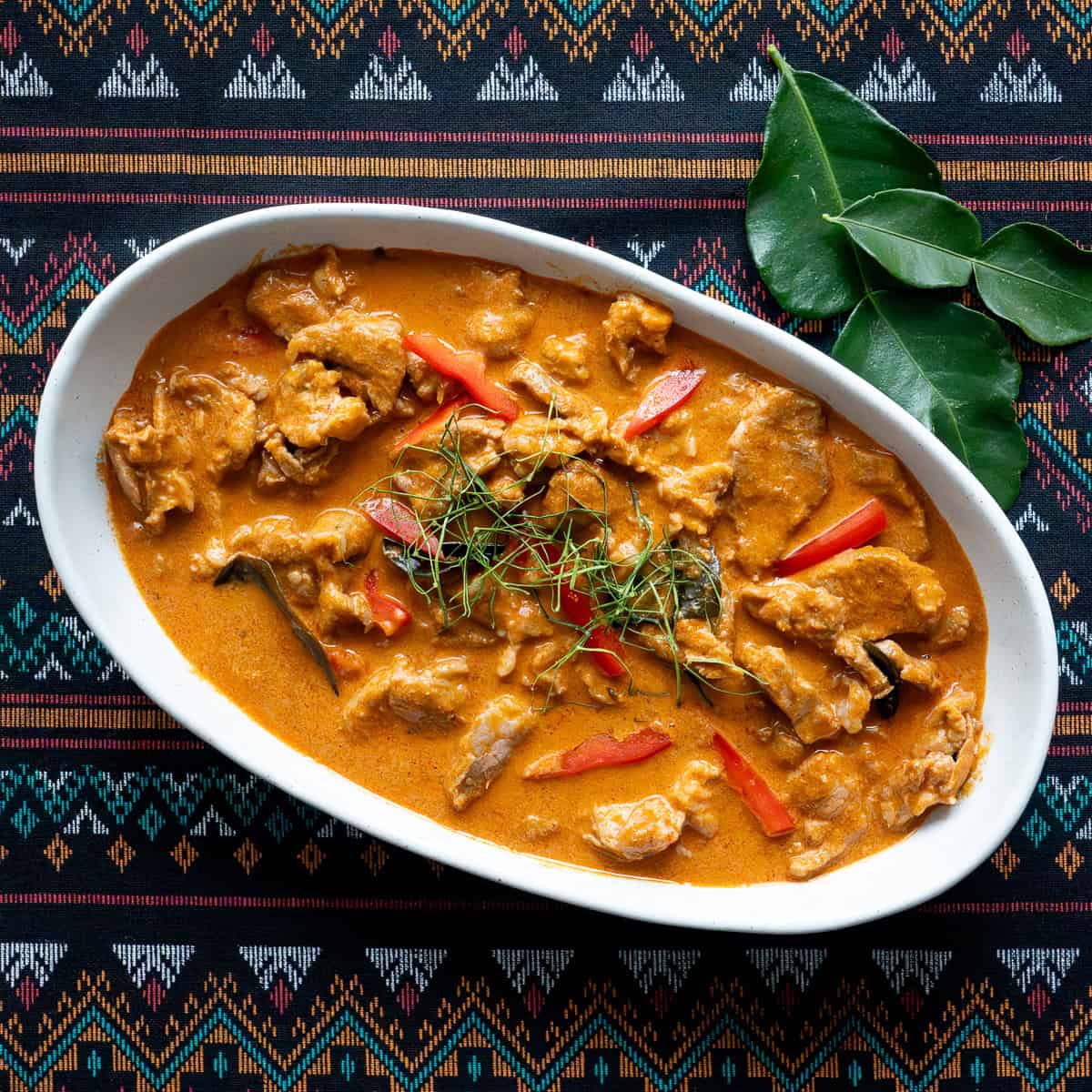
Master Authentic Thai Panang Chicken Curry at Home
There's a universally acknowledged magic in Thai cuisine, a delicate dance of sweet, sour, salty, and spicy flavors that leaves an indelible mark on the palate. Among its many vibrant offerings, Panang Curry with Chicken stands out as a true masterpiece. This rich, creamy, and aromatic dish is a symphony of textures and tastes, promising a culinary journey to the heart of Thailand right from your kitchen. Forget takeout; with this comprehensive guide, you're about to unlock the secrets to crafting an authentic Panang Chicken Curry that will impress even the most discerning connoisseur.
What Makes Panang Curry So Special? Unveiling Its Unique Identity
Panang Curry, often recognized for its beautiful reddish-orange hue and velvety texture, offers a flavor profile that is both complex and comforting. Its name, "Panang," hints at its geographical roots, believed to be influenced by the island of Penang in Northern Malaysia, which borders southern Thailand. This connection underscores the rich diversity and cultural exchange that defines the region's culinary landscape.
At its core, a Thai curry, or *kare*, is essentially a spiced sauce, much like a hearty gumbo or a nuanced mole, but with a distinctly Thai character. The foundational liquid for most Thai curries is rich coconut milk, which lends a luxurious creaminess, while fresh herbs and aromatics form the vibrant flavor base.
What truly sets Panang curry paste apart from its fiery red or verdant green cousins lies in its unique blend of chilies. While a standard red curry paste derives its color and heat from fresh red chilies, Panang introduces a combination of both **red chilies and dried chilies**. This particular blend gives Panang its signature deep red color and a slightly milder, more aromatic heat, allowing the other intricate flavors to shine through beautifully. The base paste itself is a fragrant medley of lemongrass, shallots, kaffir lime leaves, garlic, and shrimp paste – a testament to Thailand’s fresh, bold ingredients. This carefully balanced paste is what makes Panang an exceptional choice, especially when paired with tender chicken, beef, or even duck. To delve deeper into its origins and flavor nuances, explore
Panang Curry Unveiled: Its Unique Flavor & Thai Origins.
Essential Ingredients for an Authentic Panang Curry with Chicken
Crafting an authentic Panang Curry with Chicken begins with sourcing the right ingredients. Quality makes all the difference in achieving that deep, balanced flavor.
- Full-Fat Coconut Milk (Two 13.5-ounce cans): This is non-negotiable for richness and texture. The secret lies in not shaking the cans! You want the thick cream to naturally separate and rise to the top. This rich cream will be your initial cooking fat, crucial for frying the curry paste.
- Panang Curry Paste (4 tbsp homemade or 5 tbsp store-bought): While making your own paste from scratch (grinding lemongrass, shallots, kaffir lime leaves, garlic, shrimp paste, red and dried chilies) offers unparalleled freshness, a good quality store-bought paste is a fantastic alternative for convenience. Look for reputable Thai brands.
- Chicken (1.5 to 2 pounds chicken breast): Thinly sliced chicken breast cooks quickly and absorbs the curry flavors beautifully. Chicken thighs are also an excellent choice for a richer flavor and more tender texture.
- Aromatics & Seasonings:
- Brown Onion (1/2 cup, sliced thin): Adds a subtle sweetness and aromatic depth.
- Makrut Lime Leaves (4 leaves, fine chiffonade): Essential for that distinctive citrusy, fragrant aroma. These are a hallmark of authentic Thai cuisine.
- Tamarind Paste (1/2 tablespoon): Provides the essential sour note that balances the richness.
- Fish Sauce (2 teaspoons): Your primary source of umami and saltiness.
- Sugar (1 teaspoon): Balances the heat and sourness, rounding out the flavor profile.
- Fresh Vegetables:
- Red Bell Pepper (1, sliced): Adds color, a slight sweetness, and a pleasant crunch.
- Zucchini (1, sliced into 1/4-inch rounds): Contributes freshness and texture.
- Canned Bamboo Shoots (1 cup, sliced): Offers a unique, slightly crisp texture. Ensure they are well-drained.
- Thai Sweet Basil (1/2 cup, roughly chopped): Added at the very end, this herb provides a burst of fresh, peppery anise-like flavor that brightens the entire dish. Do not substitute with Italian basil; the flavors are distinct.
Step-by-Step Guide to Crafting Your Panang Chicken Curry
Now, let's bring these ingredients together to create your masterpiece. The magic lies in the method, particularly in how the curry paste is treated.
- The Golden Rule: Frying the Curry Paste in Coconut Cream
Begin by gently spooning out about 3 tablespoons of the thick coconut cream from the top of your unshaken coconut milk cans. Heat this cream in a heavy-bottomed pot over high heat for about a minute. As the cream starts to sizzle and you see the oil separate, stir in your Panang curry paste. This step is akin to building a roux in Western cooking – it's where the paste's dormant flavors are awakened. Add the sliced brown onion and half of your finely chiffonaded makrut lime leaves. Stir-fry this mixture vigorously. You’ll notice the paste will start to thicken, dry out, and release an incredibly fragrant aroma – this usually takes about 1 minute. If the paste starts to sputter too much, add a tiny splash of the remaining coconut milk to keep it moving. Continue cooking until the paste achieves a consistency similar to peanut butter. This crucial step ensures a deeply flavorful and aromatic curry. For more insights on this vital technique, read Secrets to Perfect Panang Chicken Curry: Frying the Paste.
- Building the Velvety Sauce
Once the paste is beautifully fragrant and resembles peanut butter, gradually stir in the remaining coconut milk into the pot. Increase the heat to high and bring the mixture to a full, rolling boil. Allow the curry to boil vigorously for 10 to 15 minutes, until it reduces by about 25% and coats the back of a wooden spoon. This reduction process concentrates the flavors and thickens the sauce to that signature velvety consistency.
- Introducing the Chicken and Early Vegetables
Reduce the heat to a gentle simmer. Add your thinly sliced chicken, tamarind paste, fish sauce, and sugar to the pot. Stir to combine. Once the chicken is about halfway cooked through (this usually takes around 5 minutes, depending on the thickness of your slices), add the red bell pepper and zucchini. Continue to simmer until the chicken is fully cooked through, another 5 minutes or so, ensuring the vegetables retain a slight bite.
- The Finishing Flourish
Finally, stir in the sliced bamboo shoots and the roughly chopped Thai sweet basil leaves. Let it simmer for just another minute to allow the basil to wilt and infuse its fresh aroma. Taste the curry and adjust the seasoning as needed. This is your moment to perfect the balance – add a pinch more sugar for sweetness, a dash more fish sauce for saltiness, or a tiny bit more tamarind for tang.
Tips for Perfection and Serving Your Homemade Panang
Achieving the perfect Panang curry is a journey of understanding and adjusting. Here are some insights to elevate your homemade dish:
- Balance is Key: Thai cooking thrives on the interplay of flavors. Don't hesitate to adjust the sugar, fish sauce, and tamarind paste at the end. If it's too spicy, a little more coconut milk or sugar can mellow it out. If it feels flat, a touch more fish sauce can bring it to life.
- Meat Alternatives: While chicken is classic for Panang, feel free to experiment. Thinly sliced beef (like sirloin or flank steak) or duck breast are excellent alternatives. For a vegetarian or vegan Panang, substitute chicken with firm tofu, tempeh, or a medley of additional vegetables like mushrooms, green beans, or carrots.
- The Power of Makrut Lime Leaves: Beyond adding them to the paste, a few fresh ribbons of makrut lime leaf as a garnish enhance both the visual appeal and the fragrant experience.
- Serving: Panang Chicken Curry is traditionally served immediately over fragrant jasmine rice, which beautifully soaks up the rich sauce. A fresh sprig of Thai sweet basil or a scattering of extra makrut lime leaf ribbons makes for a delightful garnish.
- Equipment: A heavy-bottomed pot or Dutch oven is ideal for even heat distribution, preventing sticking, and ensuring a slow, steady simmer.
- Don't Rush the Reduction: The step where the coconut milk and paste reduce is critical. It deepens the flavor and thickens the sauce naturally, contributing significantly to the luxurious mouthfeel of authentic Panang.
Embarking on the journey to master authentic Panang Chicken Curry at home is more than just following a recipe; it's an exploration of vibrant flavors, aromatic spices, and the rich culinary heritage of Thailand. From the initial sizzle of the curry paste in coconut cream to the final fragrant sprinkle of Thai sweet basil, each step is an opportunity to create something truly special. So gather your ingredients, follow these steps, and prepare to delight your senses with a homemade Panang curry that tastes like it came straight from a bustling Thai kitchen. Enjoy the process, and savor every spoonful of your delicious creation!